
MEDICAL CREDENTIALING SERVICES
Know When Your Payer Participation Begins
Enrollment does not end when an application is submitted. Billing Horizon organizes provider data, tracks payer decisions, and follows each enrollment through effective date and network participation so your practice can plan staffing, scheduling, and claims with a clearer view of what is actually approved.
Medicare & Medicaid
Commercial payer networks
Individual and group enrollment
New clinician
New practice site
Application submitted is a milestone. Payer participation is the outcome.
We track both, because an acknowledgment alone does not establish a billable effective date.
THE WORK BEHIND ENROLLMENT
One Provider Can Have Several Open Threads
A new clinician may need an individual enrollment, a group reassignment, a location update, a payer contract, and a directory record. Treating those as one application hides dependencies that can delay a start date.
01 / RECORD
Build a reliable provider file
Confirm NPI, taxonomy, licensure, work history, malpractice coverage, practice locations, ownership disclosures, and supporting documents before they are entered into payer systems.
02 / SUBMISSION
Route by payer and entity
Use the appropriate Medicare, state Medicaid, or commercial payer pathway. Identify whether the request concerns an individual, a group, a reassignment, or a new service location.
03 / FOLLOW-UP
Manage requests for information
Log application references, payer contacts, missing documents, and next follow-up dates. A request for development should have an owner and a response deadline.
04 / CONFIRMATION
Verify the operational result
Record approval letters, participation status, effective dates, provider numbers, directory entries, and billing system updates before declaring an enrollment complete.
PAYER-SPECIFIC PATHS
The Same Provider Record, Different Rules to Follow
Medicare applications and revalidations can be managed through PECOS. State Medicaid programs maintain their own enrollment processes. Commercial plans may require a current CAQH profile, separate contracting, or roster updates. We maintain a payer-by-payer worklist rather than applying one checklist to every network.
For Medicare, the enrollment application and a group practice reassignment can represent separate tasks. For a commercial plan, credential approval and contract execution may also occur on different dates. The tracker keeps those distinctions visible to operations and billing.
MEDICARE
PECOS · enrollment · reassignment · revalidation
MEDICAID
State program · provider type · location details
COMMERCIAL
CAQH profile · payer application · contract · roster
Check the actual payer decision and effective date before using participating status in scheduling or billing.
Data verified
License, NPI, taxonomy, locations
Applications submitted
Individual, group, and payer pathways
Payer responses tracked
Corrections, development, contracting
Effective dates recorded
Roster and billing setup reconciled
PROVIDER ONBOARDING & EXPANSION
A Start Date Needs an Enrollment Plan
Hiring a provider or opening a location creates more than a credentialing task. Scheduling may begin before every payer is active, and claims submitted against an assumed effective date can create avoidable denials or out-of-network surprises.
We establish the intended go-live date, payer mix, group structure, provider type, and service locations at intake. The practice receives a readiness view showing which relationships are approved, which are pending, and what each open item means for billing.
Practical handoff
Approval status, effective date, provider identifier, and practice management setup must agree.
ONGOING ENROLLMENT MAINTENANCE
Keep the Record Current After the First Approval
Licenses, malpractice policies, practice addresses, ownership details, and payer rosters change. Enrollment governance needs a calendar and an exception queue, not just a folder of old approval letters.
Revalidation calendar
CMS generally requires Medicare revalidation every five years for most providers and suppliers; DMEPOS suppliers generally revalidate every three years. Actual due dates and special requests must be checked for each enrollment.
Profile attestation
Keep CAQH information and supporting documents accurate and reattest on the applicable cycle. Changes to licenses, addresses, and coverage should be addressed before a payer flags stale data.
Change reporting
Route new locations, group affiliations, departures, and ownership changes to the payers that require updates. Confirm how each change affects contracting, directory listings, and claims.
Source references: CMS Medicare revalidation · CMS enrollment applications · CAQH practitioner guide. Requirements vary by payer, state, and provider type.
VISIBILITY FOR PRACTICE LEADERSHIP
A Status Report Should Answer “What Happens Next?”
We organize the enrollment pipeline by provider, payer, location, and application type. Each open item has a current stage, last payer contact, accountable person, requested document, and next follow-up date. That makes a stalled case visible before it affects a planned schedule.
Approval is reconciled with the billing record. Where the effective date differs from the expected date, the practice can review affected appointments and claims before relying on participating status.
| CASE | STAGE | NEXT ACTION |
|---|---|---|
| Provider A • Medicare | Review | Track MAC response |
| Provider B • Plan | Documents | Confirm malpractice |
| New location • Plan | Contract | Verify effective date |
TECHNOLOGY WITH ACCOUNTABILITY
Use AI to Find Exceptions. Keep People Responsible for Decisions.
AI-assisted checks can help identify inconsistent provider identifiers, missing documents, expiring credentials, and applications that have not moved on schedule. The team reviews each signal against the source record and payer response before changing a profile or communicating a billing status.
Provider data may originate in the practice management system, EHR, a credentialing platform, or a payer portal. We map access and handoffs with the practice during onboarding; integrations and automated exchanges depend on the specific systems and permissions available.
Assisted Work Queue
Expiring license
Verify renewal evidence
Unanswered payer request
Escalate before deadline
Location mismatch
Compare roster to practice record
Automation flags discrepancies. A credentialing specialist verifies the record and takes the next action.
CLIENT PERSPECTIVE
Confidence Comes From Knowing What Is Moving
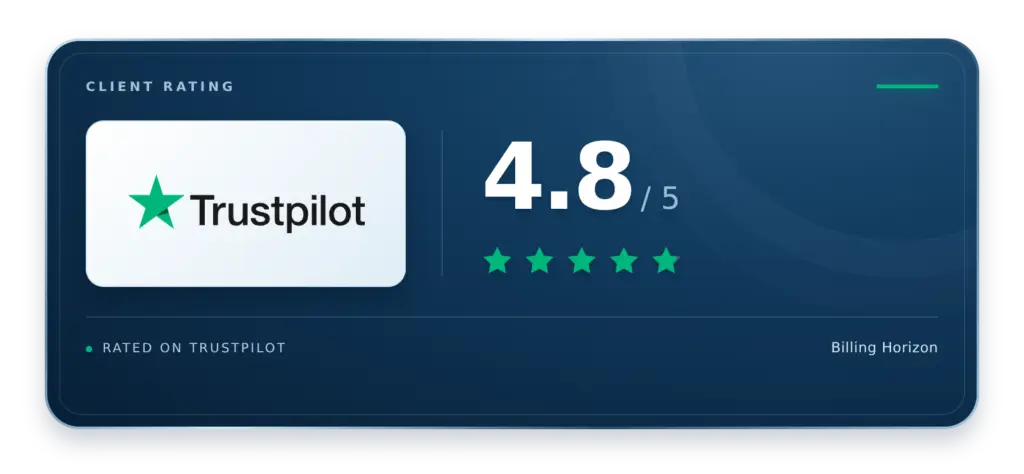
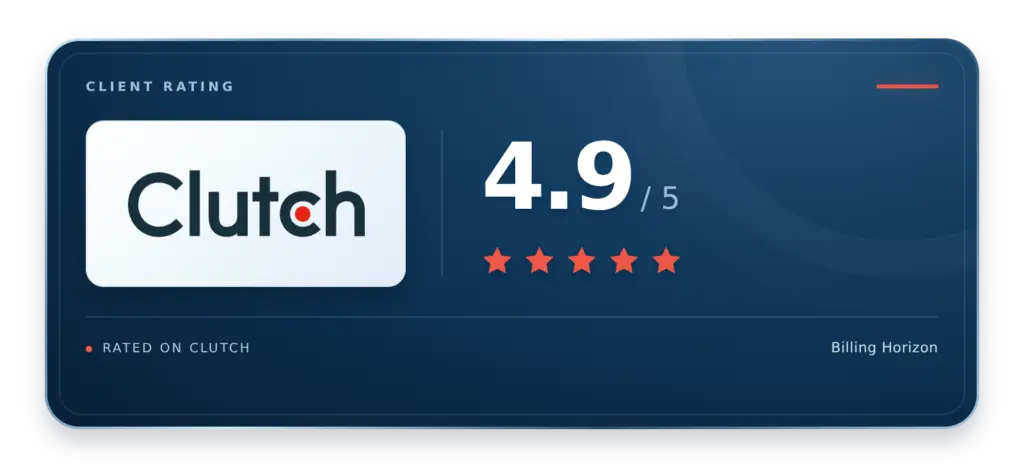
Credentialing affects the dates a practice can schedule, participate in a payer network, and submit claims with confidence. Clear status updates and documented follow-up help teams plan around confirmed approvals rather than assumptions.

START WITH YOUR CURRENT ROSTER
Which Provider or Payer Needs a Clearer Path?
Tell us whether you are adding clinicians, opening a location, clearing a backlog, or preparing for revalidation. We can review the enrollment inventory and outline the first payer-specific actions.
- Provider and location scope
- Priority payer relationships
- Open applications and target dates
Discuss Your Credentialing Needs
No obligation. No pressure. Just a practical conversation about your revenue cycle.